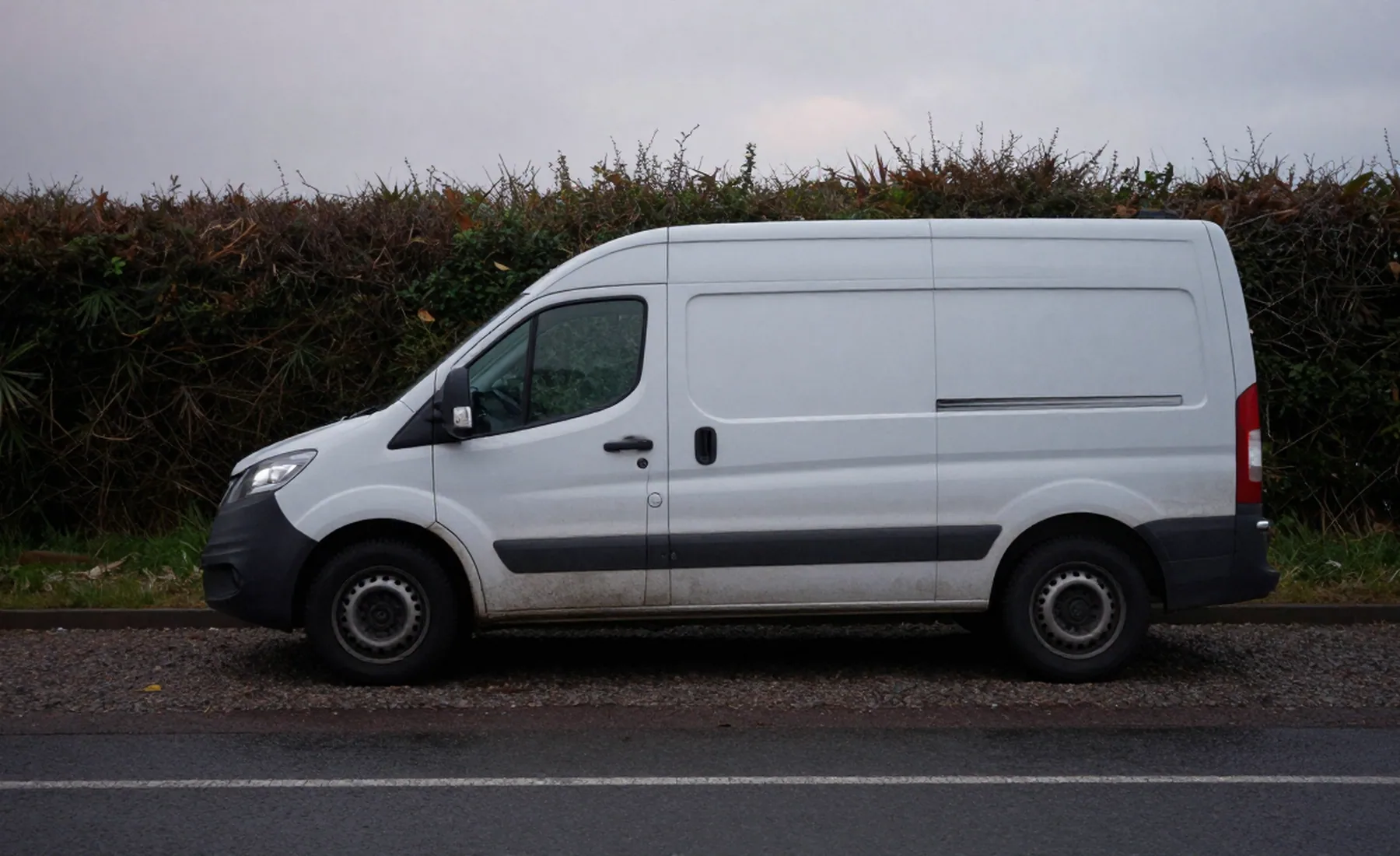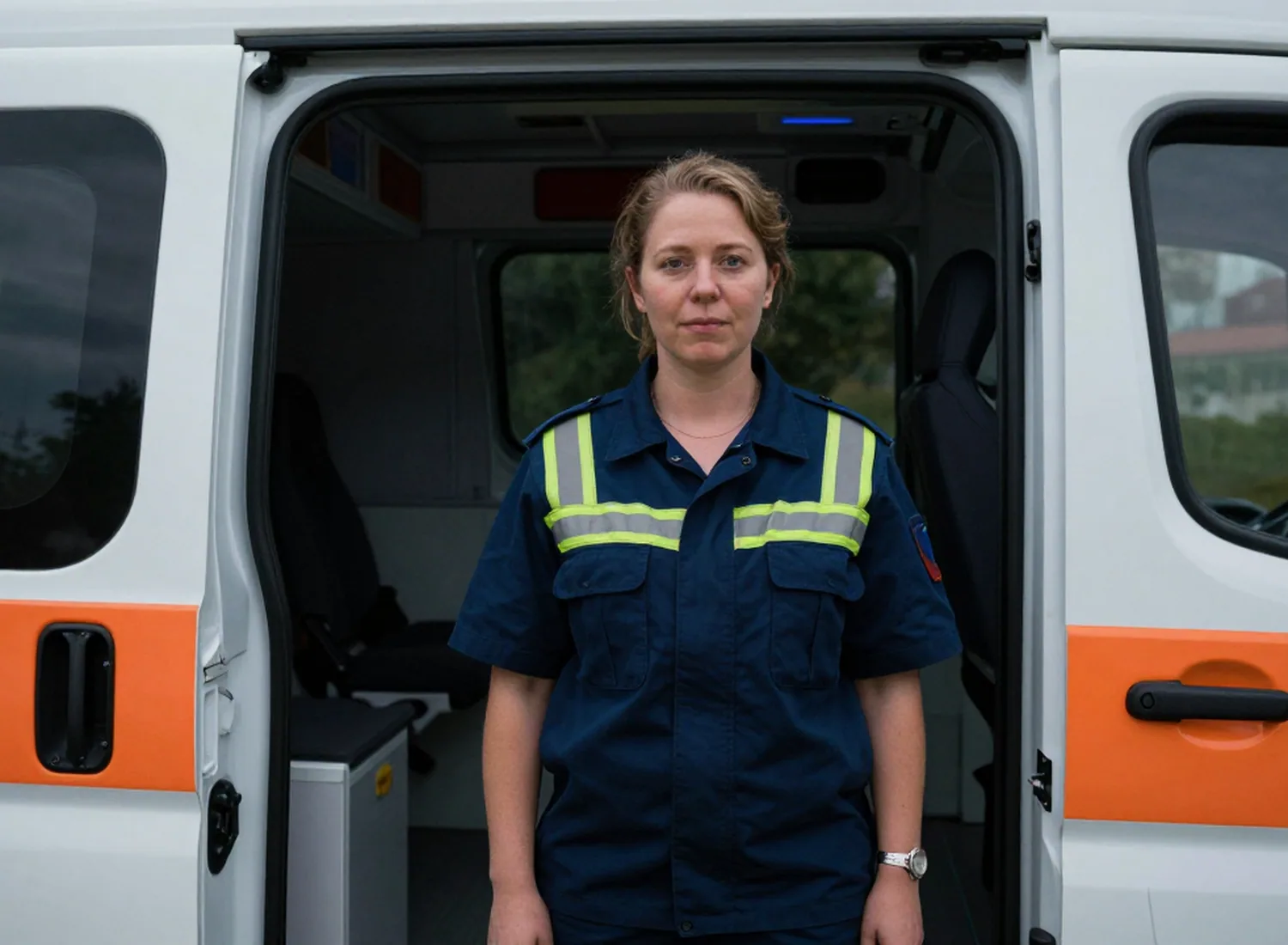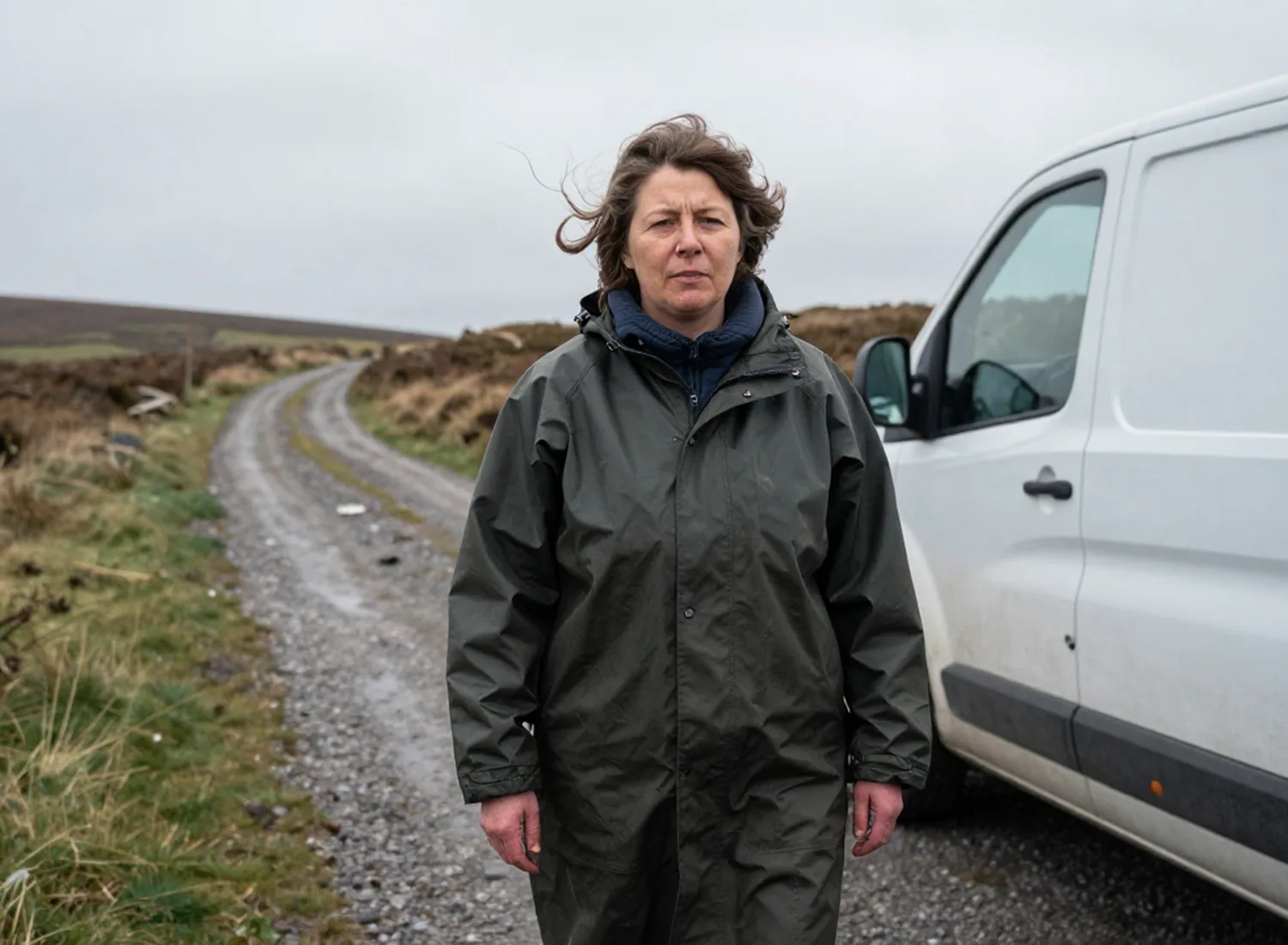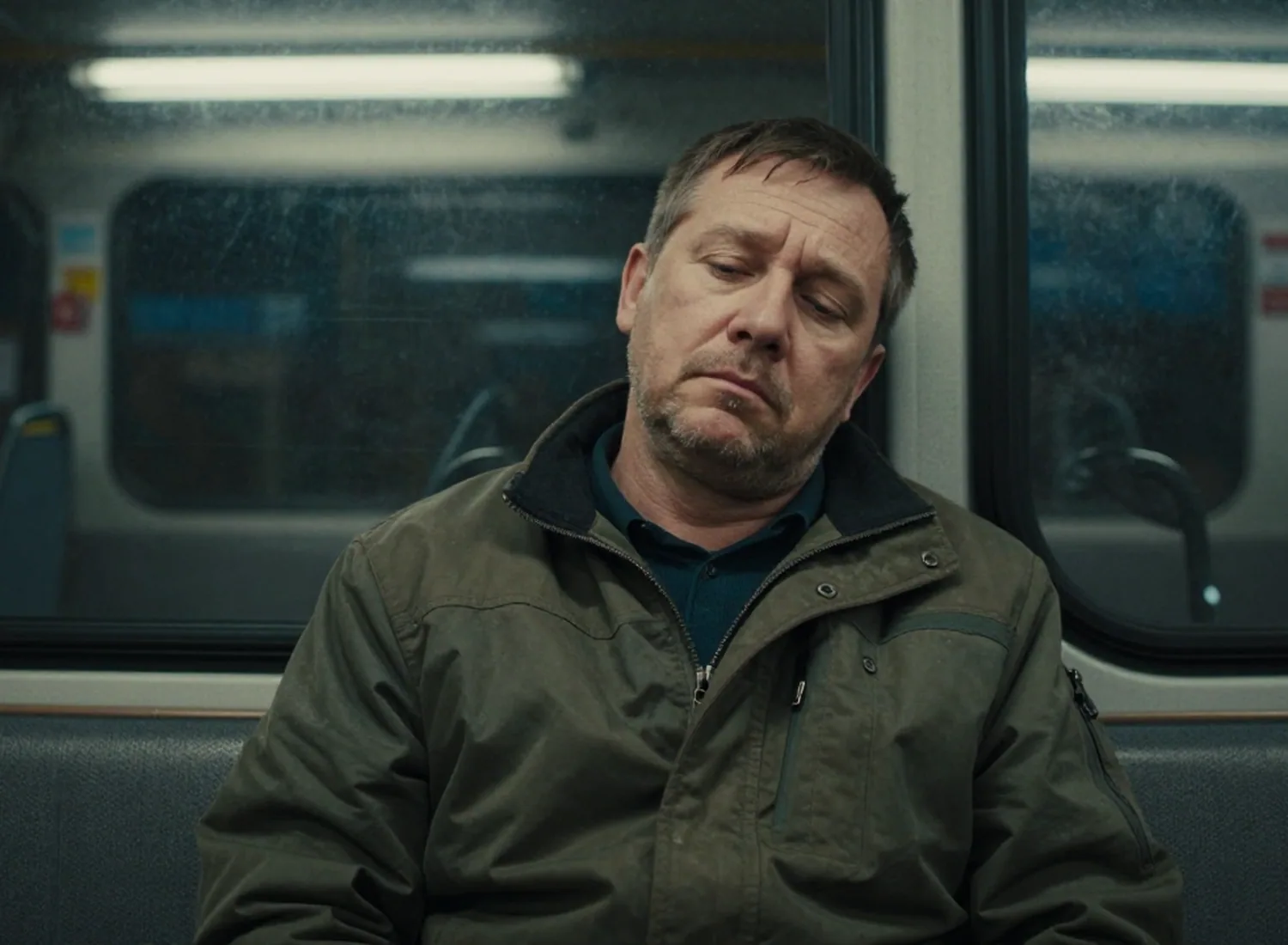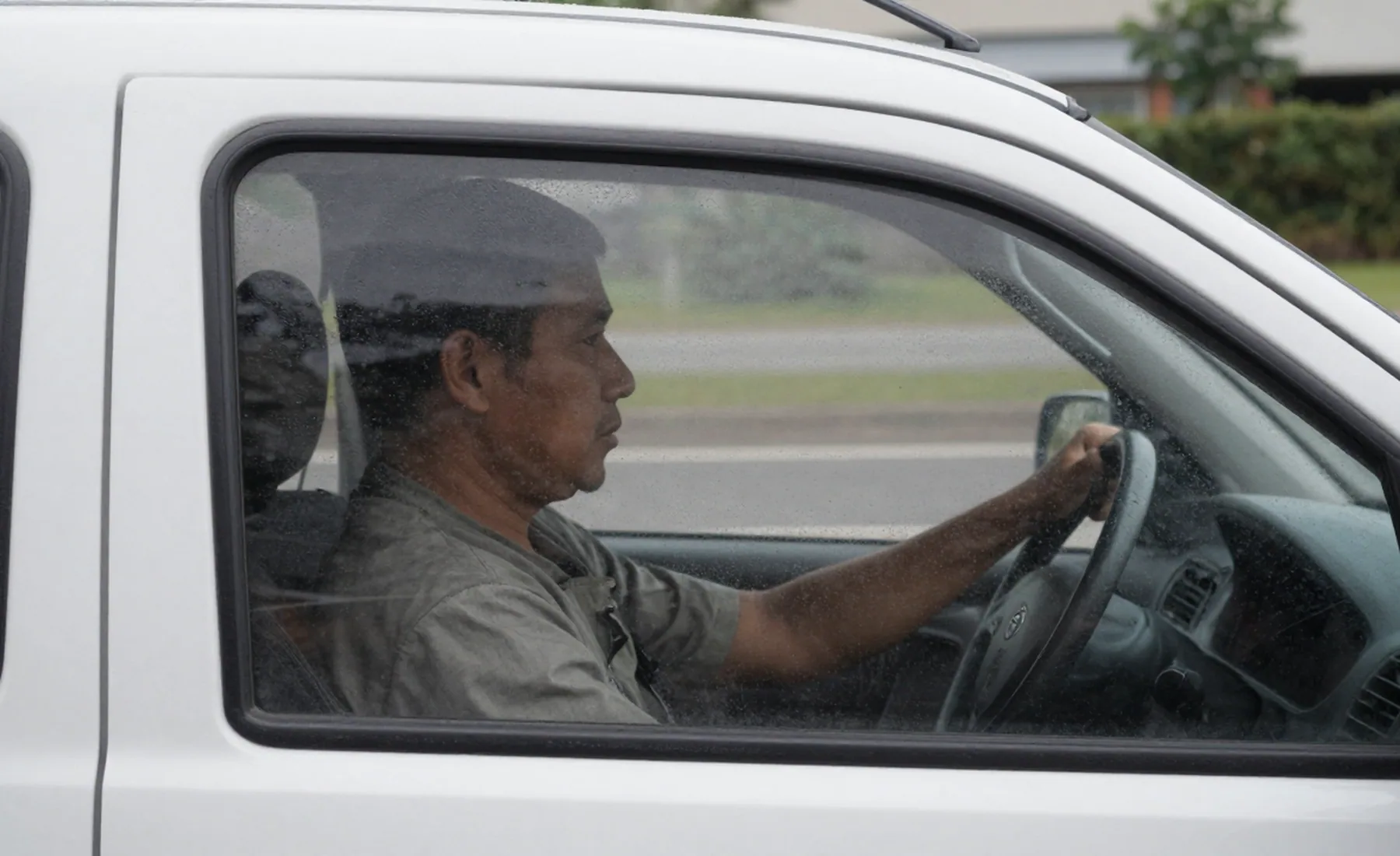
If you added up the hours described in these recordings, more of them would be spent stationary than moving. Waiting for a load. Waiting for a bay. Waiting at a layover with forty minutes and nowhere to be. Waiting, in Dee Kavanagh's case, in a supermarket car park for the next thing to happen, which will happen in about nine minutes.
Waiting is where the emotional work of these jobs gets done, or deliberately not done. It is also where the interviews get their best material, because it is the only part of the shift with any capacity for reflection in it.
Two distinct kinds appear across the collection. There is enforced waiting, which is disliked and which everyone has a strategy for. And there is chosen waiting — standing at a gate for twenty minutes listening to someone talk about sheep — which is not in anybody's job description and which several subjects defend fiercely.