Passenger Seat

An oral history of working roads · Recorded since 2019


Archive/Themes/Night Driving

Theme 01

Night Driving

What the road is like when almost nobody is on it.

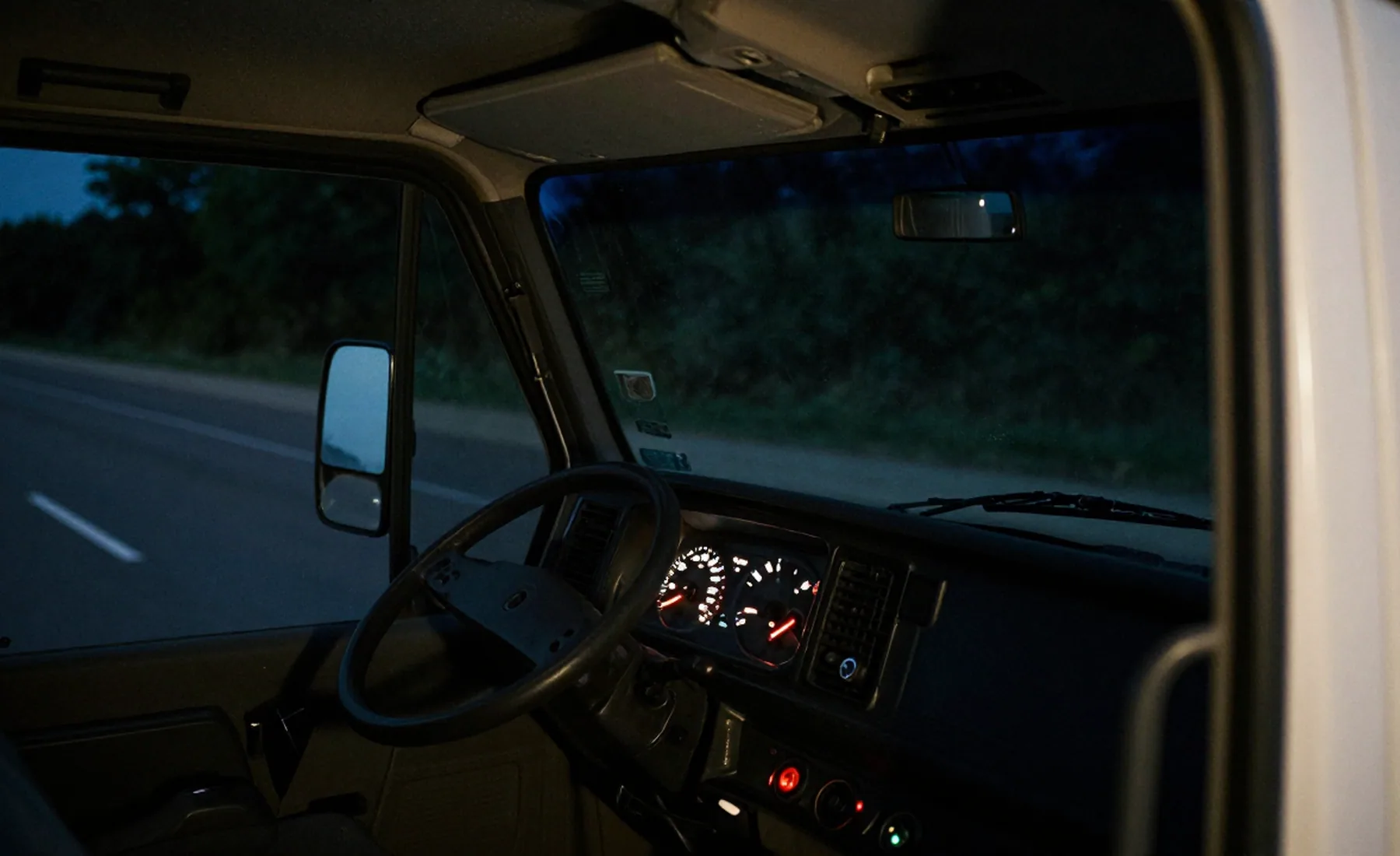
The lit interior of a cab at three in the morning. Night work recurs across the collection more than any other single condition.

Roughly two thirds of the recordings in this collection were made with people whose work is wholly or mostly nocturnal. That is not a curatorial preference. It is a fact about who moves goods and people when the rest of the country has stopped.

Night driving is not simply day driving in the dark. The traffic behaves differently, the demands on attention are differently shaped, and the social rules change: passengers who would ignore a driver at noon will talk to them at two. Several of our subjects describe a specific hour — usually somewhere between three and five — as belonging to them.

It is also the condition that leaks furthest into the rest of life. The difficulty most often described is not staying awake. It is the return: the hour of re-entry into a household that has been on a different clock.

In their words

You come off the motorway and you've been on your own since three in the morning, and then you've got to walk in the house and be — normal. Have an opinion about the kitchen.

Ray Attwood · Long-haul HGV driver

Between about half three and half four the road's yours. And you're driving this enormous empty thing with all the lights on inside — it's like being a shop that nobody's come into.

Marcus Bello · Night bus driver

At night people talk to you. In the daytime nobody talks to the driver, you're furniture.

Marcus Bello · Night bus driver

Folk get out and stand at the back of the car in the dark in a black coat, on the phone to their insurance, and they've no idea.

Tam Boyce · Vehicle recovery operator
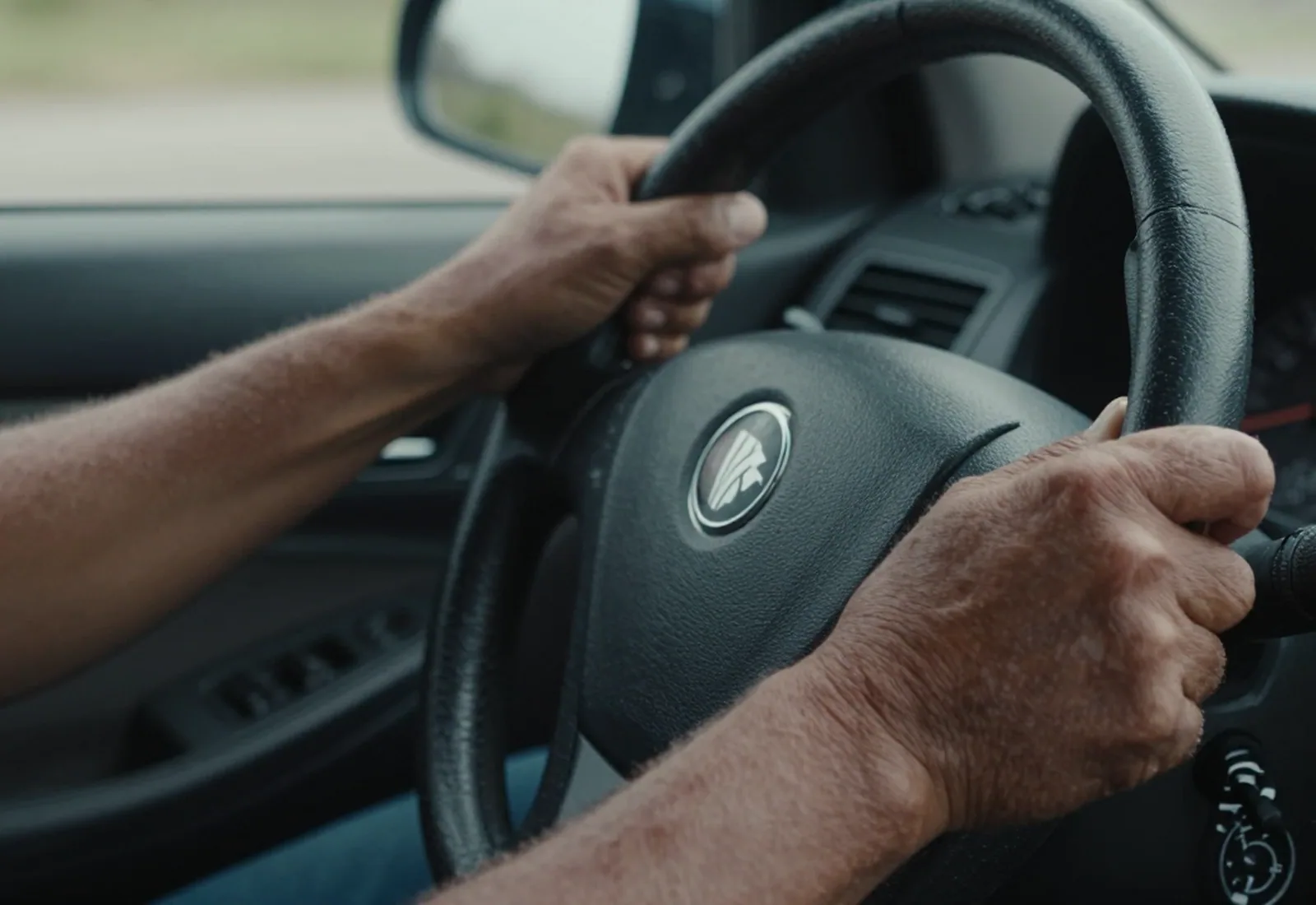
Hands at three in the morning on the southbound leg. Several subjects describe the small hours as the only part of the shift that is genuinely theirs.

The recordings do not agree about whether night work is harder. Ray Attwood is dismissive of the idea and would not go back to days. Marcus Bello has chosen nights for six years and describes the daytime network as “somebody else's job”. Dee Kavanagh, who works both, is the only one of the three who calls the night shift worse, and her reasons are entirely about staffing rather than darkness.

What they do agree about is the quality of the silence, and how difficult it is to explain to anyone who has not sat in it.

Records quoted here

Full index

Themes change as the archive grows.

Every new recording is read against the existing themes, and the themes are rewritten when they stop describing what is actually in the collection.