Archive/The Collection/Tam Boyce
Record PS–144 · Vehicle recovery operator · M6, Cumbria
Tam Boyce
Twenty-six years on the hard shoulder, and the thirty seconds of looking that the whole job depends on.
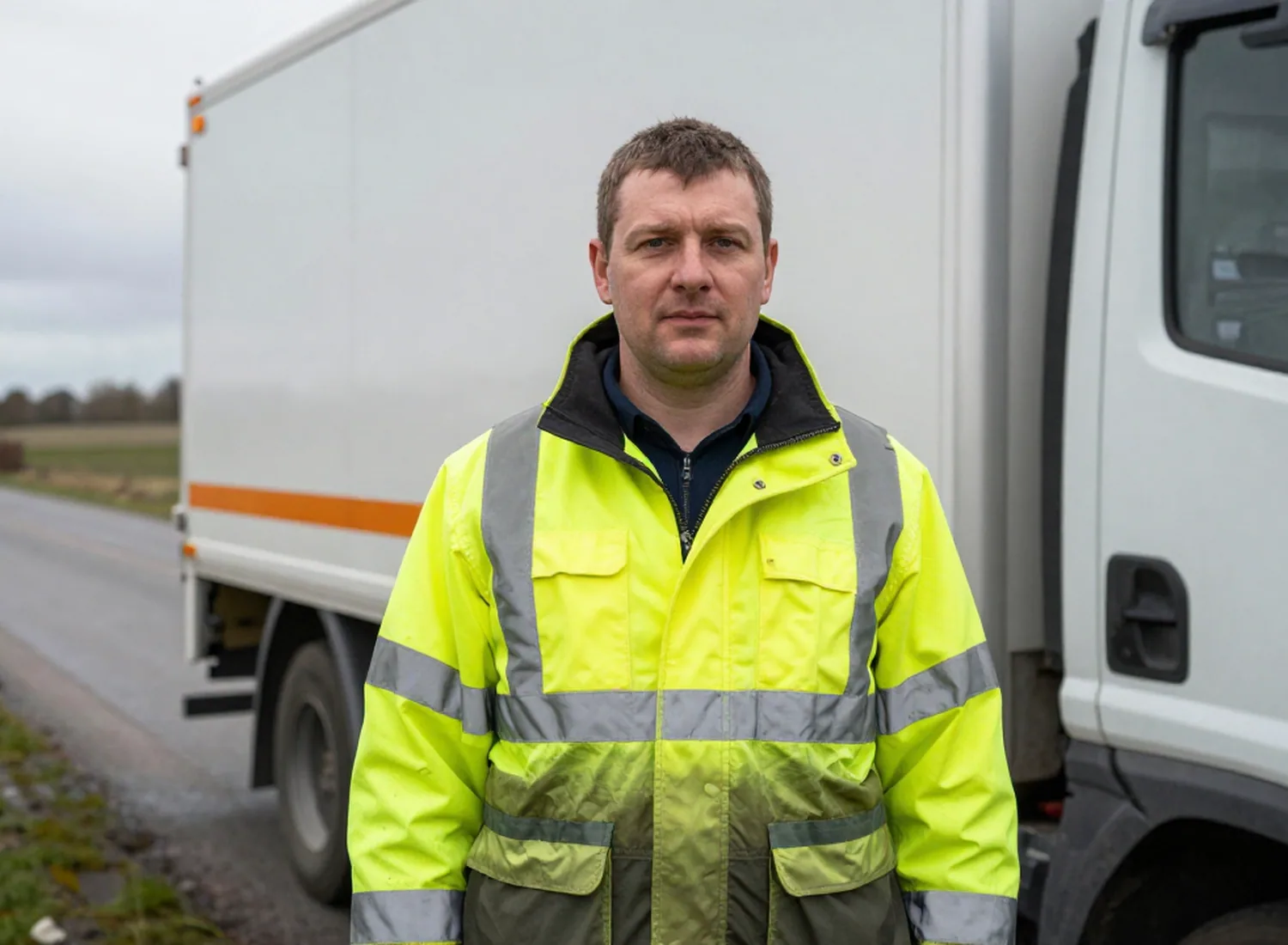
- Subject
- Tam Boyce
- Occupation
- Vehicle recovery operator
- Route or region
- M6, Cumbria
- Recorded
- 17 February 2025
- Duration
- 1 h 12 min
- Reference
- PS–144
Introduction
Tam Boyce has worked in vehicle recovery for twenty-six years, almost all of it on the stretch of the M6 that runs from Lancaster up over Shap and into the Eden valley. He is the only person in this collection whose working environment is legally a live carriageway.
The recording was made in the office of his yard, interrupted three times by the phone, which he answered each time without apology and which we have left in the master file. He speaks in short, flat sentences and is uninterested in being interesting.
Roadside recovery has a fatality rate that most drivers passing at seventy miles an hour would find surprising. Tam did not raise this as a grievance. He raised it as a set of procedures, which he described at length and with obvious pride.
Four excerpts from one hour and twelve minutes.
Recording location
Recorded at a recovery yard, Penrith
Excerpts published
4 of the master recording. Timecodes refer to the unedited master file.
Access
Full audio and transcript are available to researchers on written request to the archive.
Transcript excerpts
Master duration 1 h 12 minIt is not a place
TB
The hard shoulder isn't a place. That's the first thing I'd tell anybody. It's not a lay-by. It's not somewhere you're safe. It's a lane that happens to be empty at the minute.
TB
And folk get out and stand at the back of the car in the dark in a black coat, on the phone to their insurance, and they've no idea. None. I've a beacon, I've a wagon across, I've cones out. They've a black coat and a phone.
The first thing
Interviewer
What's the first thing you do when you get to a job?
TB
Look up the road. Not at the car. Everybody assumes I'm looking at the car.
TB
I'm looking at what's coming, and I'm working out where the wagon goes so that if something comes across, it hits me and it doesn't hit them. That's the whole job in one sentence, that is. Everything after that's just lifting.
Meeting people badly
TB
They're never at their best, are they. You're meeting folk at the worst twenty minutes of their week. They're late, they're freezing, they've a boot full of shopping going off, the wean's crying in the back.
TB
And half of them want to explain to you that it wasn't their fault. It's never anybody's fault. I say to them, I'm not the police, pal. I'm just here to lift it.
The other kind
TB
There's the other sort of job and I'll not go into detail on it. When the police are there before you and they want the vehicle away quick, for the road, because the road's shut and it's costing.
TB
You're very careful then. And somebody's got to clear the glass. That's a job. Somebody has to do that and it's usually me. [pause] Aye.
TB
And then you go and get your dinner, because it's half twelve. And that's the bit folk can't square. But it's still half twelve.
Timecodes refer to the unedited master file. Hesitations, repetitions and dialect are retained as spoken.
Closing note
Tam asked that we say clearly that he has never lost a colleague on this stretch, “and I'd not want folk reading it and thinking I had”. He has trained eleven recovery operators, four of whom are still working the same section of motorway.
Elsewhere in the collection
Full index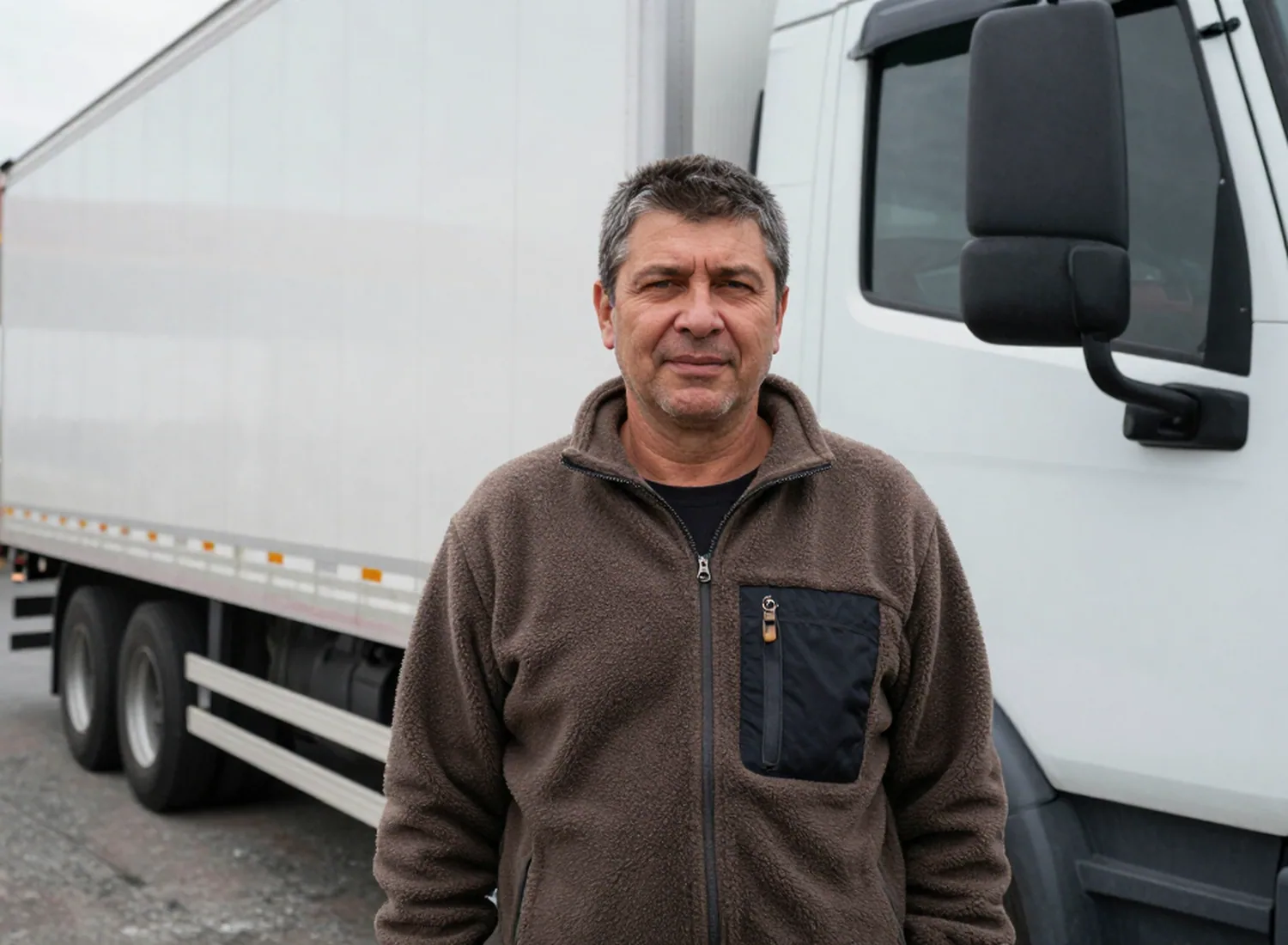
PS–147 · 2025-03-12 · Immingham – Dover
Ray Attwood
Twenty-two years on the same overnight run, and the bridge he still looks for.
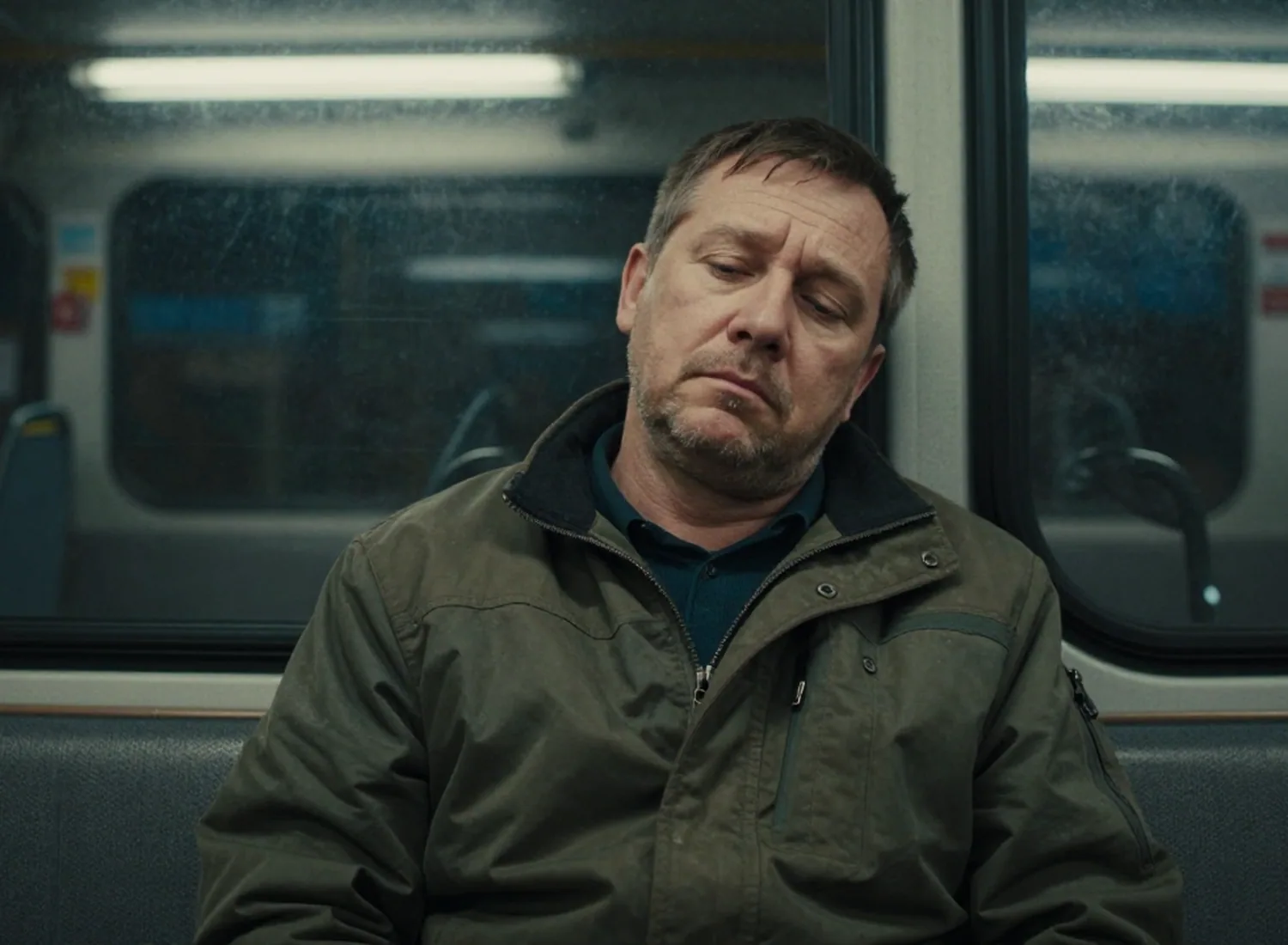
PS–132 · 2024-11-19 · North London
Marcus Bello
Nine years on the night network, and the four o'clock hour when the road belongs to him.
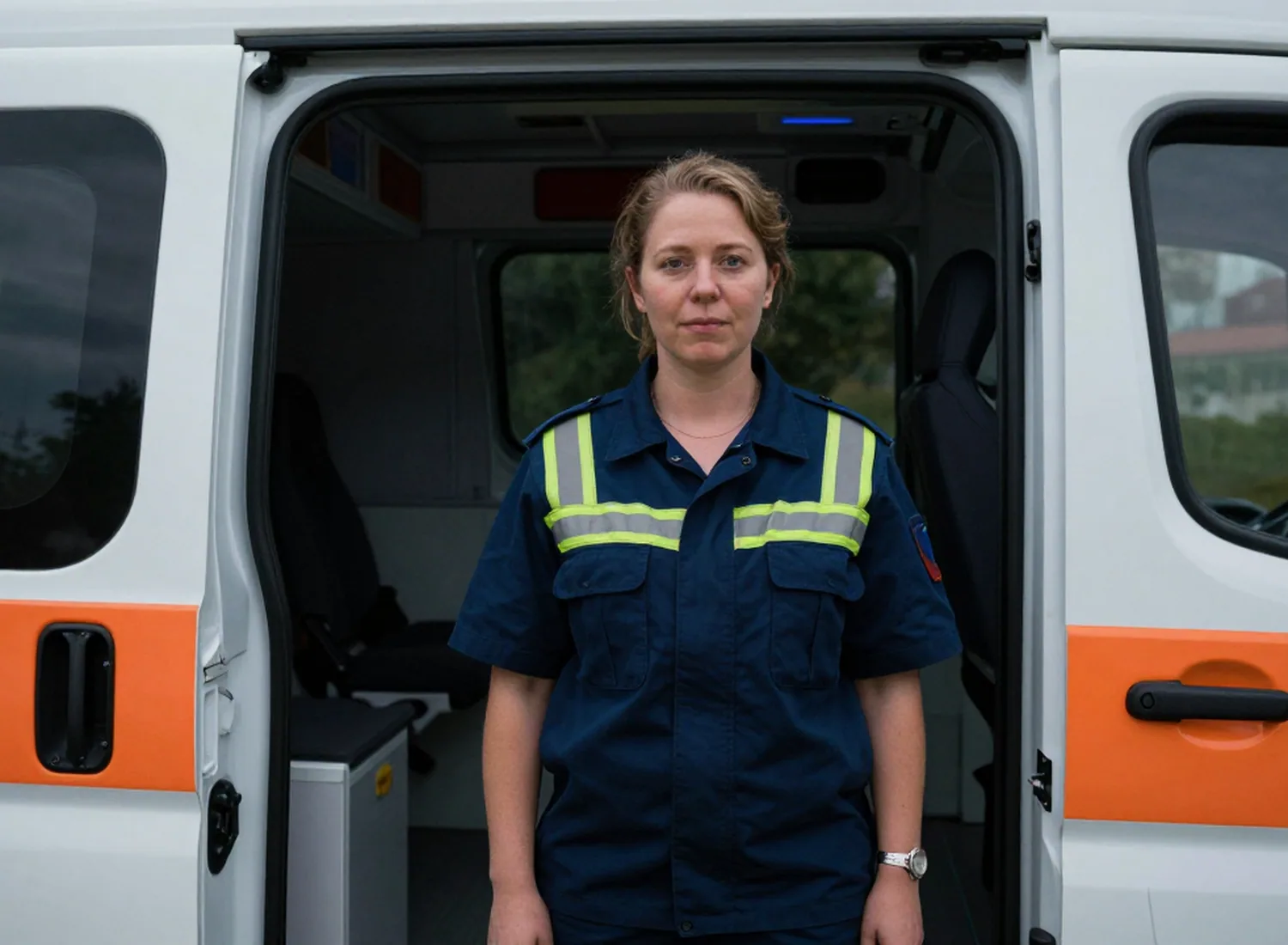
PS–141 · 2025-01-28 · Merseyside
Dee Kavanagh
Twelve years of working in a moving room, and a map of the city she can no longer drive through normally.
Recordings like this one take about three hours and cost nothing.
If your work happens on the road, or you know somebody whose does, we would like to hear from you.